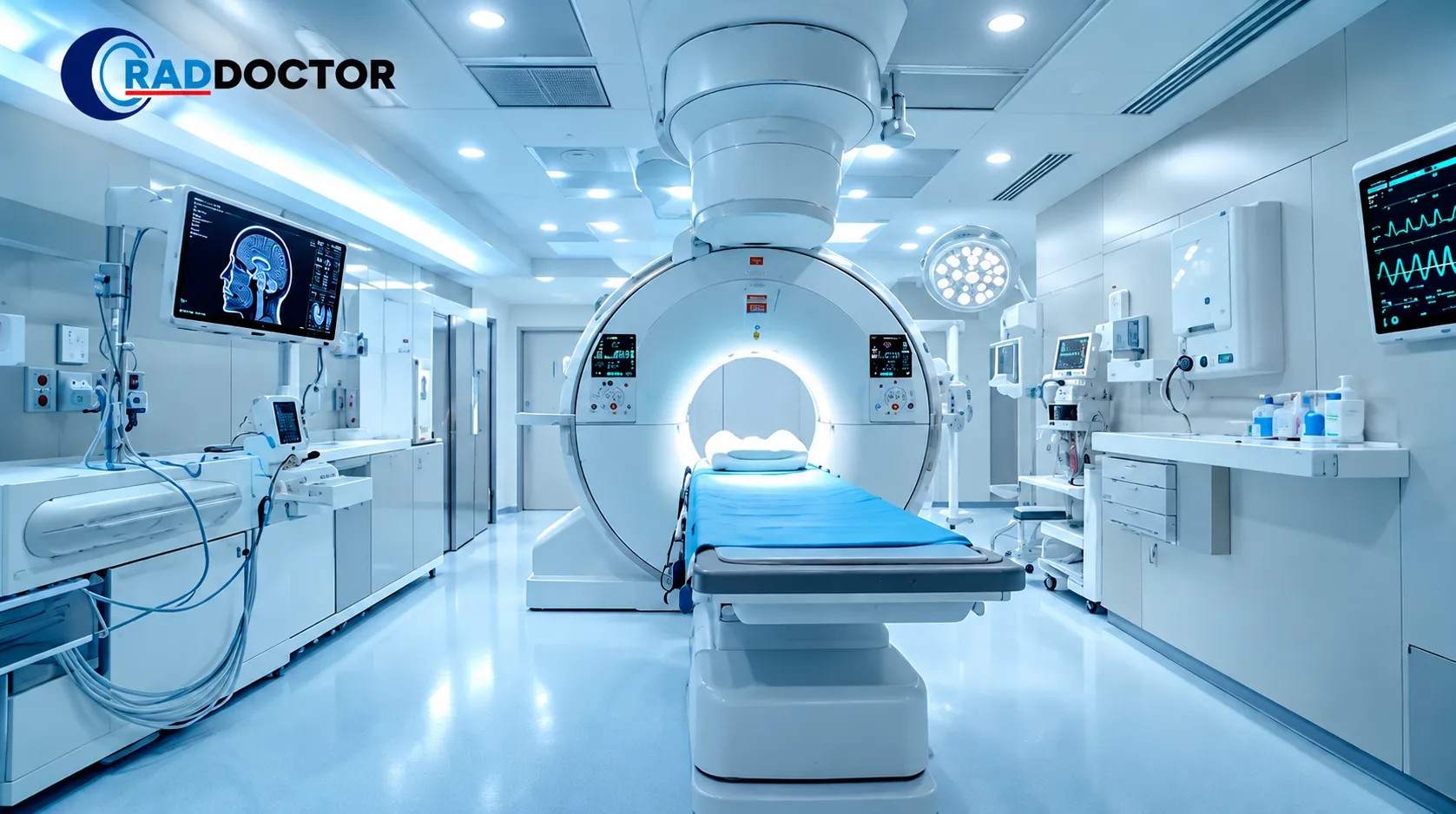

Every September, FEMA marks National Preparedness Month. It is an annual campaign that pushes people and businesses to plan ahead for emergencies. For most families, that means a flashlight and a go-bag. For an imaging center or hospital radiology department, it should mean something bigger: a real plan for keeping scans read and patients cared for when something goes wrong. Storms, power outages, staff illness, and system crashes do not wait for a convenient time. This post walks through the biggest risks to imaging operations and how a written plan, backed by remote radiology coverage, keeps your department running.
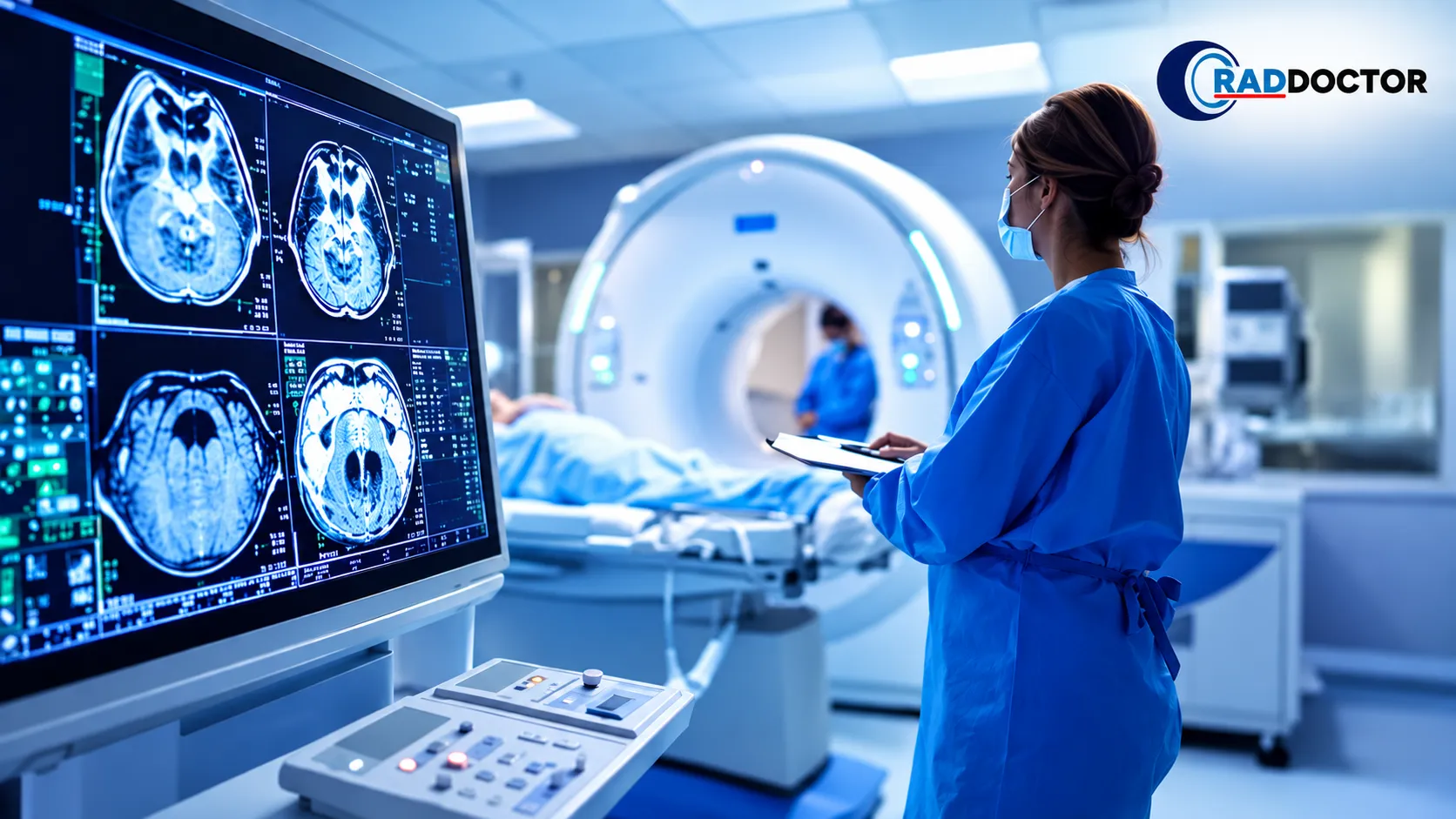
National Preparedness Month runs every September. FEMA’s Ready Campaign has observed it since 2004, and this year’s theme is “Americans Stand Ready”, which echoes a spirit of resourcefulness and duty. The month exists because disasters do not send a warning. FEMA recommends that every household and business first know their local risks, since threats range from severe storms and flooding to power outages and extreme heat.
For a hospital or imaging center, “knowing your risk” is not optional. A radiology department depends on power, network connections, trained staff, and working equipment all at the same time. If any one piece fails, scans stop moving, and patient care slows.
Radiology depends on several systems working together: imaging equipment, power, network access, PACS, and qualified staff. A disruption to any of these can delay image acquisition, transfer, interpretation, or reporting. For example, a facility may have radiologists available but be unable to send them studies during a network outage. A useful continuity plan identifies these dependencies and sets out what staff should do when each one is interrupted.
Type of Disruption | What It Looks Like | Effect on Imaging Operations |
Severe weather | Hurricanes, floods, tornadoes, winter storms | Roads close, staff cannot reach the building, power may fail |
Staffing gaps | Illness outbreak, sudden radiologist resignation, holiday absences | Fewer readers available, turnaround times slip |
IT/PACS outages | Cyberattack, server failure, network downtime | Images cannot be sent, stored, or read on schedule |
Equipment failure | Water damage to MRI or CT components, power surges | Scanner goes offline, patients must be rescheduled or transferred |
Mass casualty events | Multi-vehicle accidents, active-shooter incidents, explosions | Sudden spike in scan volume that outpaces normal staffing |
Severe weather is one reason to prepare. NOAA recorded 28 U.S. weather and climate disasters causing at least $1 billion in losses each in 2023. For imaging facilities, the practical question is how a local event could affect staffing, power, equipment, and access to images and which steps are in place to restore or redirect the workflow.
NOAA supports the 28-event figure. https://www.ncei.noaa.gov/news/national-climate-202312?utm_source
A good plan does not need to be complicated. It needs to answer one question clearly: who reads the scans if our normal setup cannot? Here is a simple process to follow.
RadDoctor can be part of an imaging facility’s continuity plan by providing remote interpretation when its usual radiologist coverage is interrupted or additional reading capacity is needed. The specific modalities, coverage hours, volume, and turnaround times should be established in advance based on the facility’s needs and its agreement with RadDoctor.
Remote reading also depends on the ability to send images and receive reports. Before relying on any teleradiology partner as backup coverage, a facility should confirm its PACS/RIS connection, document an alternate transfer and reporting process where appropriate, and test the workflow with its technology and clinical teams. If a local power or equipment outage prevents scans from being performed, remote interpretation cannot restore that scanning capability. Contact RadDoctor to discuss a coverage and integration plan for your facility.
National Preparedness Month is a reminder to review how your imaging operation would respond to a disruption. Identify the systems and staff your workflow depends on, document backup procedures, and test them before they are needed. If radiologist availability is one of your risks, RadDoctor can discuss remote interpretation options that fit your facility’s coverage needs and technical setup.
National Preparedness Month is observed every September. FEMA's Ready Campaign has run the observance since 2004 to encourage households and organizations to plan ahead for emergencies, including hurricanes, floods, winter storms, and power outages.
It depends on the disruption. A power or PACS outage can prevent images from being acquired or sent for interpretation, while a staffing shortage can delay reads even when systems are working. A continuity plan should address each of these risks and identify how images and reports will move if normal operations are interrupted.
If on-site radiologists are unavailable, a remote radiologist may be able to interpret studies from another location. This requires a working method to transmit images and return reports, along with coverage arranged in advance. Facilities should test that workflow as part of their continuity plan.
Yes. A basic plan does not require a large budget. It requires a written risk list, a named backup coverage source, and one test run per year. Partnering with a remote radiology provider covers the hardest part staffing without hiring extra in-house radiologists.
At least once a year. National Preparedness Month in September is a natural yearly checkpoint, since it falls before hurricane season peaks and before winter weather risks begin.
No. RadDoctor works with facilities on ongoing interpretation and overflow needs. Facilities interested in backup coverage should discuss their required hours, modalities, expected volume, turnaround times, and technical workflow with the RadDoctor team in advance.

Connect with our experts at RadDoctor and get reliable, 24/7 teleradiology reads delivered with speed and precision, so your team can focus on what matters most: patient care.
A managed solution that optimizes workflows, reduces non-interpretive work, and helps radiologists focus on what matters most interpretation.
Measure. Improve. Achieve Results.